Our Process


Challenges
Pain Points
Wet floors, contaminants, and high foot traffic can quickly create hazards that put people, productivity, and compliance at risk.
Changes in Level
Steps, ramps, thresholds, and uneven surfaces can create trip hazards when changes in level aren't clearly identified.
Poor Edge Visibility
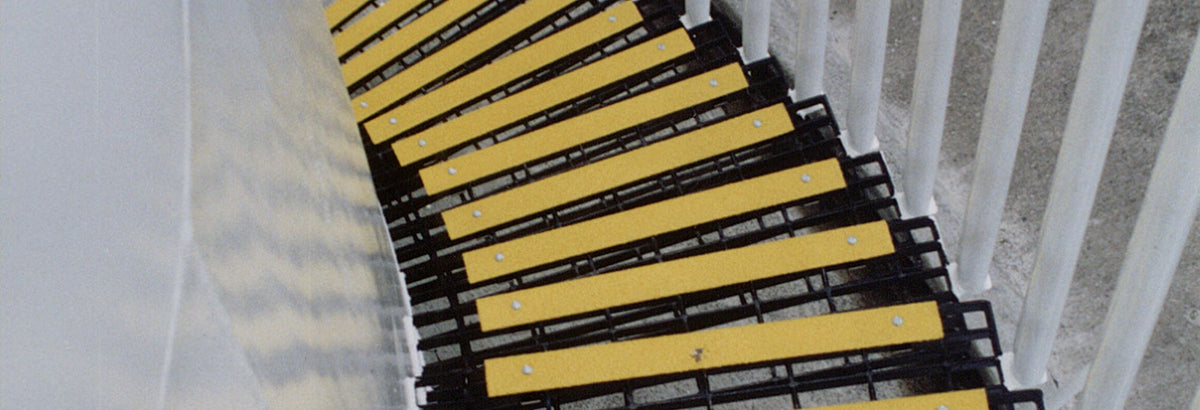
Stairs, landings, and walkways without clearly marked edges make it harder for people to identify changes in level safely.
High-Risk Transitions
Moving between different floor surfaces, levels, and work areas can increase the likelihood of trips if transitions are not clearly marked.
Key Benefits
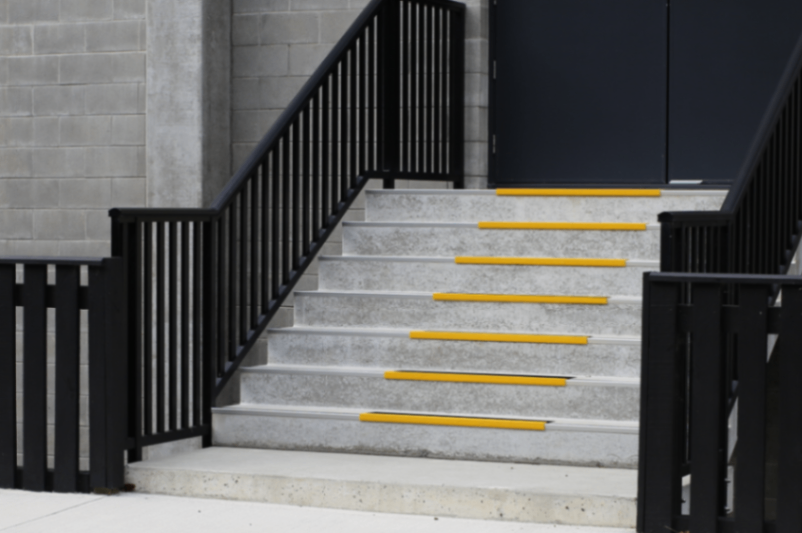
Improve Hazard Visibility
Make steps, edges, ramps, and level changes easier to identify, helping people navigate spaces more safely.
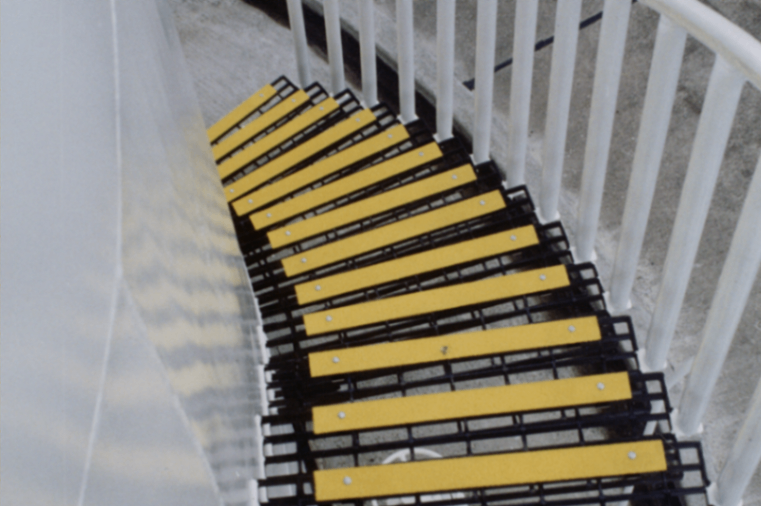
Reduce Trip Risks
Help minimise trip hazards around stairs, walkways, and transitions by clearly defining changes in level.

Support Safer Movement
Create greater confidence underfoot by making transitions between spaces safer and easier to navigate.

1
Assess the Risk
We start with an on‑site assessment to understand slip, trip, and fatigue risks in real conditions.
2
Diagnose Properly
We assess the space and identify what’s actually causing risk or fatigue.
3
Supply & Install
We supply the right matting and install it properly, with minimal disruption.
4
Ongoing Support
We stay involved to make sure the solution keeps performing over time.
Stay up-to-date
Blog posts
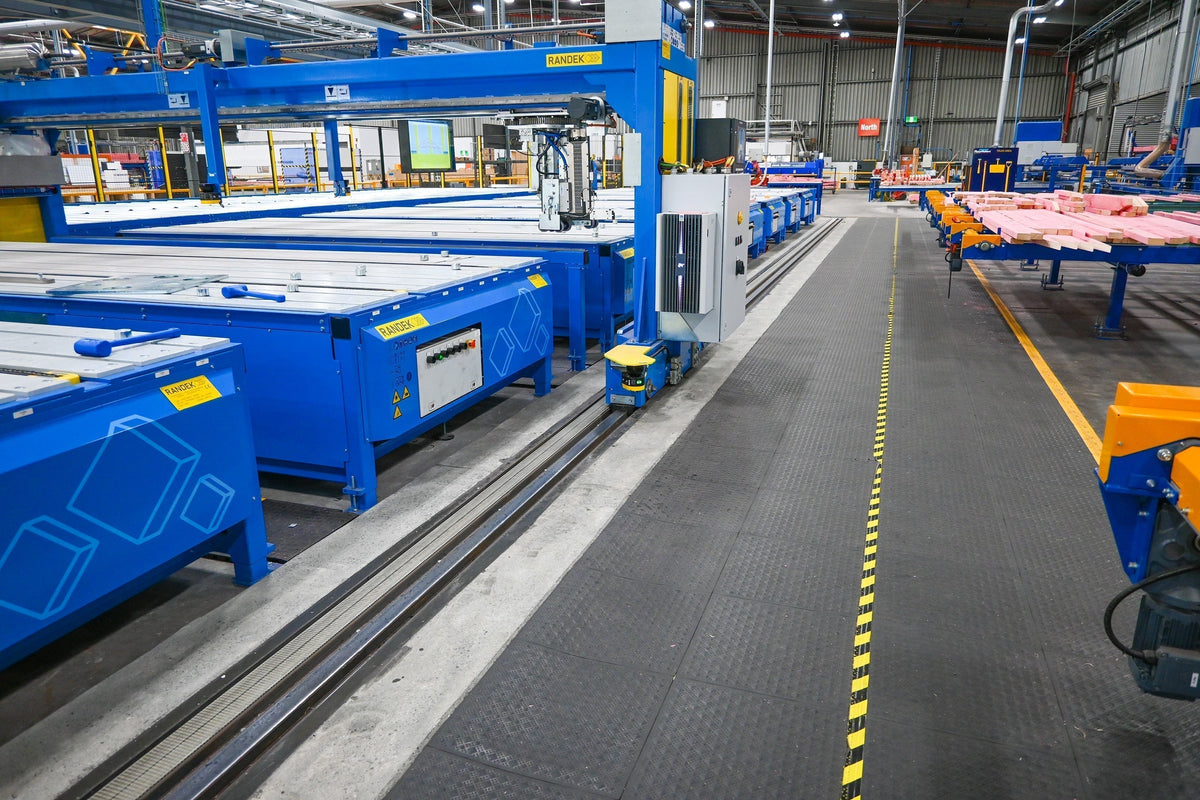
From Assessment to Installation: The PlaceMakers Frame & Truss Project
Everyday Workplaces. Made Safer.
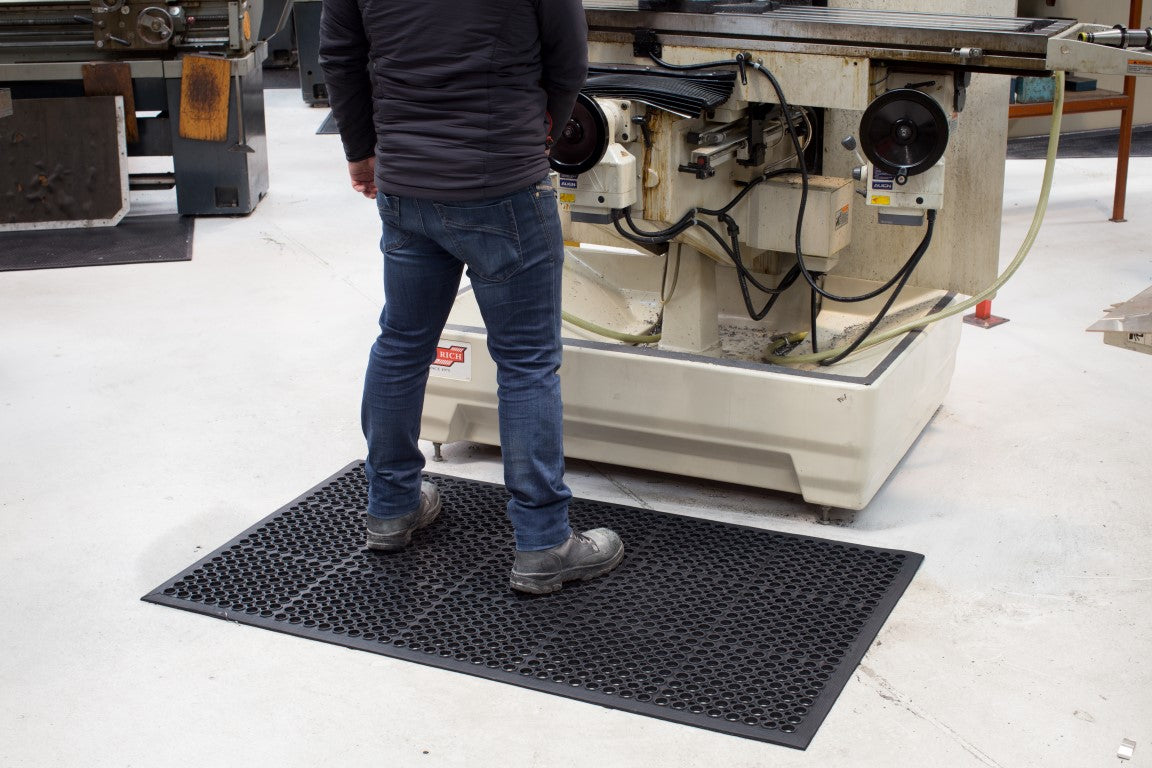
How PlaceMakers Frame & Truss Reduced a Trip Hazard Around a Gantry Crane
In busy manufacturing environments, even a small change in floor level can create a si...

Pukerua Bay School Project Gallery
The Pukerua Bay School Project
"Tremendous service and great product too." - Principal, Pukerua Bay School
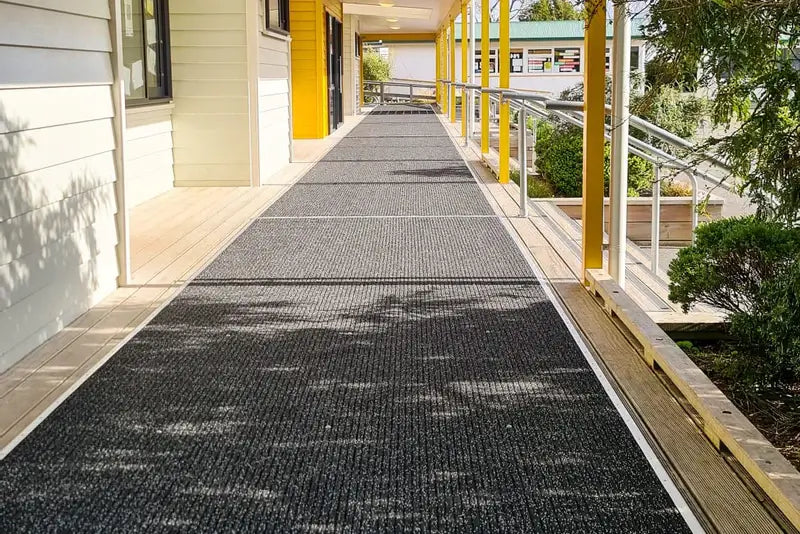
It was a pleasure working alongside Pukerua Bay School to deliver a safer, more welcomi...

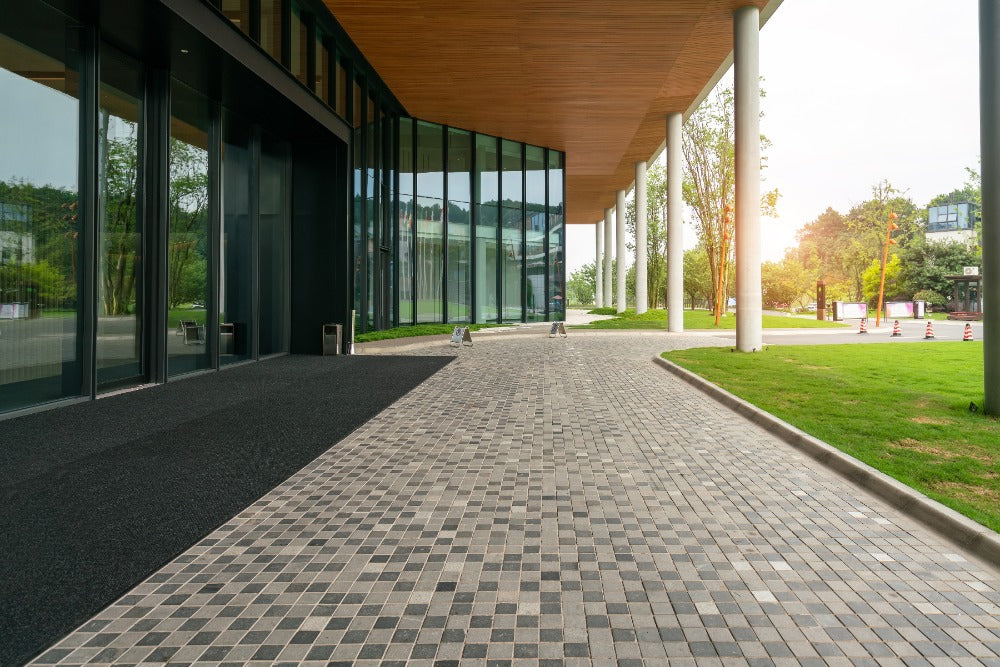
Two Zones. Cleaner Floors.
A simple two-zone system to protect your floors from the first step inside.
Frequently Asked Questions
Steps, stairways, ramps, and level changes are common areas for slips, trips, and falls. Step and edge safety solutions help improve visibility, increase traction, and reduce risk in high-traffic environments.
Step and edge safety products are commonly used on stairs, ramps, walkways, loading areas, building entrances, and anywhere a change in level could create a slip or trip hazard.
The right solution depends on factors such as foot traffic, environmental conditions, surface type, and the level of risk present. We assess your site and recommend a fit-for-purpose solution that meets your safety requirements.